7 Expert Tips: Stay Cheap in Busy Ginza, Tokyo

Photo by Altaf Shah
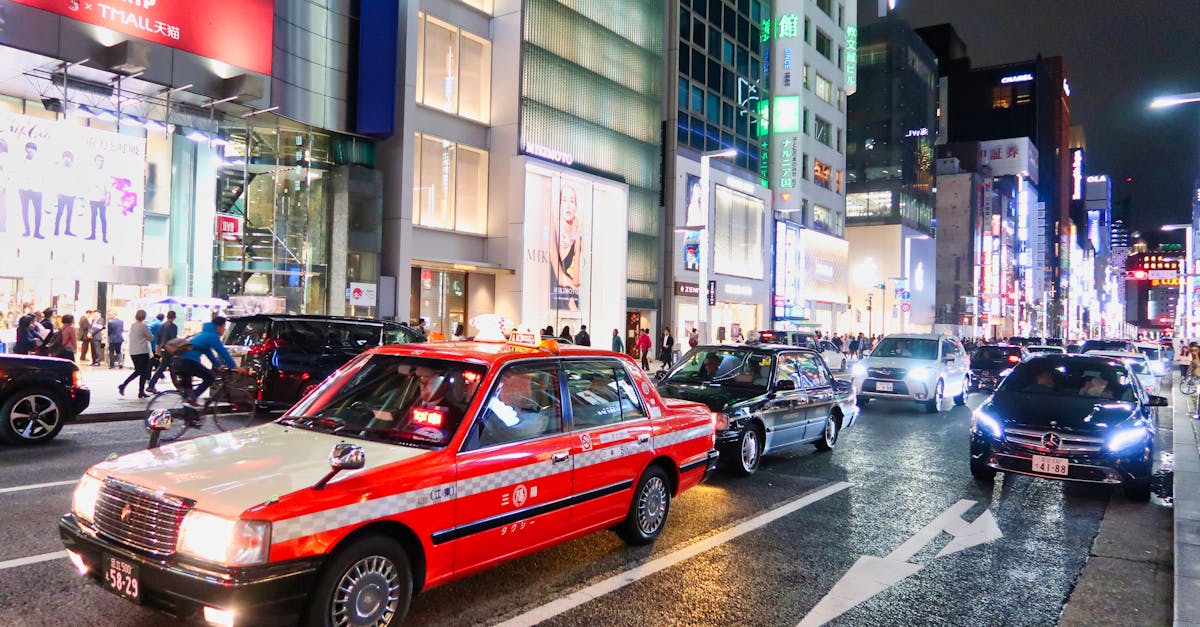
Ginza is the undisputed capital of Tokyo luxury shopping. It is famous for high-end department stores, designer boutiques, and Michelin-starred restaurants. Naturally, many travelers assume a visit here will completely destroy their savings. But that is simply not true! Strategic planning allows you to explore this glamorous high-end district without draining your wallet. This guide provides actionable steps for budget travel in Ginza, helping you maximize your time and saving money while enjoying the best the area offers.
The Ginza Paradox: Budget Meets Luxury
While Ginza displays ultimate affluence, its proximity to major transit hubs and the necessity for local workers to eat affordably mean that smart deals are hidden everywhere. You just need to know where to look. Let’s dive into the seven best ways to Stay Cheap in Busy Ginza.
1. Master Accommodation Alternatives Just Outside Ginza

Accommodation is often the single biggest expense when visiting the metropolitan area. If you try to book a traditional hotel room directly in the Ginza 4-chome intersection area, prepare for luxury brands pricing. The secret to staying cheap is to leverage Ginza’s excellent connectivity.
H3: Strategic Sleeping Zones
Instead of staying right on Chuo Dori, look for neighboring areas that are just one or two subway stops away, or a short, pleasant walk. This shift can slash your accommodation costs by 30% to 50%.
- Shimbashi: Located directly south, Shimbashi is a crucial commuter line hub full of economical business hotels. It is less than a 15-minute walk to the heart of Ginza.
- Tsukiji/Tsukishima: East of Ginza, these areas offer quieter residential vibes and easy access, especially useful if you plan to visit the Tsukiji Outer Market early.
- Nihombashi/Otemachi: To the north, these areas cater heavily to corporate travelers but often offer good weekend rates. They are also excellent transit hubs for exploring the rest of Tokyo.
H3: Embracing Non-Traditional Stays
If you are truly committed to saving money, you must consider alternatives to standard hotels. These options provide clean, safe, and comfortable lodging without the Ginza price tag.
H4: Capsule Hotels
Modern capsule hotels are clean, tech-forward, and surprisingly spacious (for a capsule). Several are located within a five-minute walk of the outer edges of Ginza, offering a fantastic base for exploring. They are perfect for solo travelers or short stays.
H4: Hostels and Guesthouses
While rarer in Ginza itself, nearby areas like Asakusa or Ueno offer fantastic hostel options that are still quickly accessible via the Tokyo Metro. Prioritize locations near the Hibiya Line or Ginza Line for quick access. Be sure to book your accommodation early, especially during peak season, to secure the best rates and start your budget travel planning. You can easily compare prices for highly rated, affordable stays near the high-end district by checking competitive rates here: Check current price.
2. Exploiting Ginza’s Lunch Set Strategy (Affordable Dining)

This is arguably the most effective food strategy for affordable dining in Ginza. The same restaurants that charge 15,000 yen or more for dinner often offer spectacular ‘lunch sets’ (known as teishoku or ranchi setto) for a fraction of the cost—sometimes as low as 1,200 to 3,000 yen. This allows you to experience Michelin stars quality without the heavy price tag.
H3: The U-Turn Deal
The concept is simple: Restaurants use discounted lunch sets to attract early customers and fill tables, maximizing their daytime revenue before the expensive dinner service begins. Look for small signs outside high-end establishments advertising ‘Lunch Special’ or ‘Service Lunch’. This is your U-turn deal.
- Target Times: Lunch service typically runs from 11:30 AM to 2:00 PM. Arrive right at 11:30 AM to beat the rush of office workers from nearby Marunouchi.
- What’s Included: These sets usually include a main dish (like tempura, sashimi, or grilled fish), rice, miso soup, pickled vegetables, and sometimes a small dessert or coffee.
- Ramen and Soba Shops: For true budget eating, many small ramen shops and soba joints tucked away on side streets offer sets for under 1,000 yen. These are great for a quick, delicious fix.
H3: Alternative Cheap Eats
Even if you miss the lunch window, convenience stores (Konbini) are a traveler’s best friend in Japan. They offer high-quality, pre-made meals (onigiri, sandwiches, bento boxes) that are safe, delicious, and extremely affordable.
H4: Vending Machines and Street Food
Don’t overlook the ubiquitous vending machines for cheap drinks, especially cold green tea or bottled water. Also, while true street food is less common in Ginza than in markets, look around the edges of the Tsukiji Outer Market for cheap snacks and small bites that keep your budget intact.
3. Utilizing Department Store Basements (Depachika Diving)
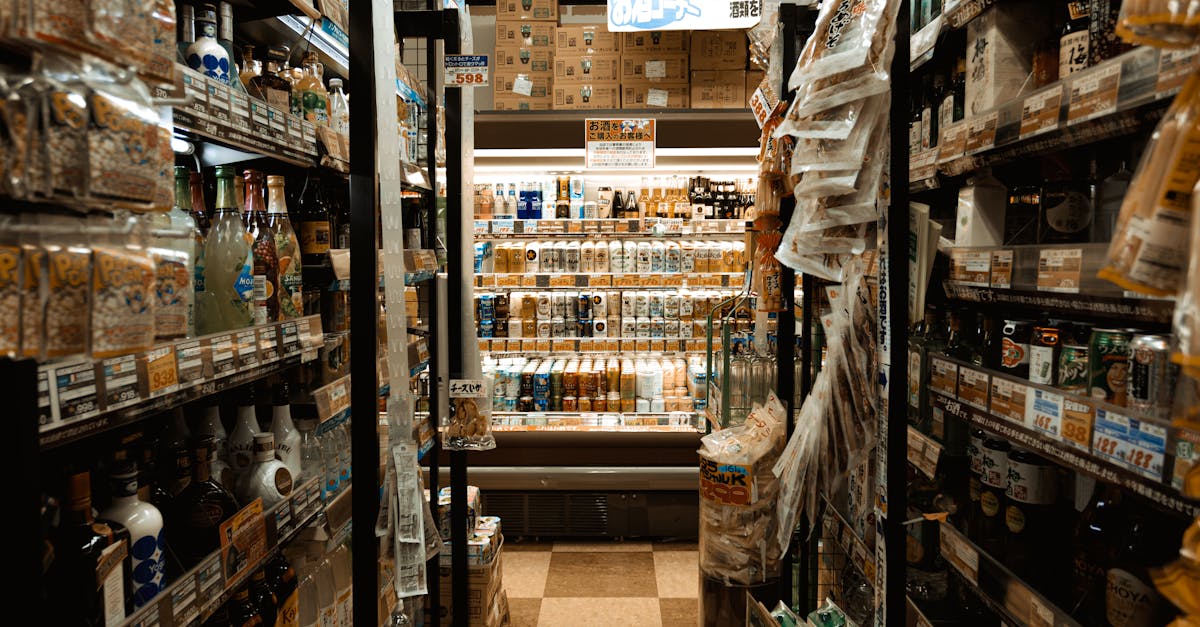
Ginza is home to massive, famous department stores like Mitsukoshi, Matsuya, and Wako. While the upper floors showcase dazzling jewelry and designer clothing, the basement levels, known as depachika, are where you find gourmet food—and incredible late-day deals. This is one of the most effective strategies for affordable dining if you are flexible with dinner timing.
H3: The Magic Hour Discount
Department store basements are food havens, selling everything from elaborate cakes and fresh seafood to prepared savory dishes. Because Japanese standards for freshness are exceptionally high, stores aggressively discount prepared foods that won’t sell the next day. This is the Magic Hour Discount.
- Target Time: Begin checking the department store basements (depachika) around 6:30 PM to 7:30 PM.
- What to Look For: Keep an eye out for employees applying red or yellow sticker labels that indicate discounts (often 20% to 50% off). Sashimi sets, roast meats, salads, and elaborate bento boxes are frequently marked down.
- Picnic Planning: Grab your discounted haul and head to a nearby park or back to your cheap lodging for a high-quality, low-cost dinner picnic. This is a delightful way to enjoy gourmet food while staying cheap in busy Ginza.
H3: Taste Testing Opportunities
Depachika floors are also notorious for offering generous free samples. You can often sample high-quality snacks, specialty teas, and seasonal delicacies. While you shouldn’t rely on samples for a full meal, it offers a great chance to try expensive Japanese products for free, adding to your cultural experiences without the cost.
4. Free and Low-Cost Entertainment Options (Cultural Savings)

Just because Ginza is expensive doesn’t mean all its attractions cost money. Many of the most rewarding experiences in this area are completely free. Focusing on these zero-cost activities helps you balance your budget after paying for flights and lodging. If you are looking to secure the best deal on your overall travel package, remember to compare options first: Get the best deal.
H3: Embrace the Pedestrian Paradise
Every Saturday and Sunday afternoon, Ginza transforms its main thoroughfare, Chuo Dori, into a ‘Pedestrian Paradise’ (Hokōsha Tengoku). The street is closed to cars, allowing visitors to walk freely in the center of the district. This is a perfect, free activity for people-watching, window-shopping, and admiring the architecture of the luxury brands flagships. It’s an essential cultural experience.
H3: Parks and Imperial Views
Ginza is centrally located near several important historical sites:
- The East Garden of the Imperial Palace: While not technically Ginza, this large, accessible garden is a short walk away. Entry is free. It offers a peaceful retreat and a glimpse into the history of the Emperor’s Palace grounds.
- Hibiya Park: Located adjacent to the Ginza area, this beautiful park is a perfect spot for relaxing, enjoying your depachika picnic, or simply escaping the hustle and bustle.
H3: Gallery Hopping
Many major department stores and smaller buildings in Ginza host free art exhibitions or galleries, especially focusing on contemporary or traditional Japanese arts. These are usually on the upper floors. Simply walk into the buildings, check the directory, and enjoy high-quality art displays at no cost. This provides fantastic, free cultural experiences for the resourceful budget traveler.
5. Strategic Transit and Walkability (Cutting Transportation Costs)

Ginza is exceptionally compact and highly walkable. Relying on your feet rather than constant short subway hops or expensive taxis is a major way to save money on daily expenses.
H3: Maximize Your Foot Power
Ginza is bounded by Shimbashi, Tokyo Station/Marunouchi, and Tsukiji. All these key areas are easily reachable on foot (10-20 minutes). If you are heading further, ensure you choose accommodation near a main subway stop (like Ginza Station, served by the Ginza, Marunouchi, and Hibiya Lines) to simplify travel.
H4: When to Use Transit Passes
If you plan a day trip exploring the wider metropolitan area (Shibuya, Shinjuku, Asakusa), a specialized Tokyo subway pass (like the 24, 48, or 72-hour passes) is highly recommended. These are often better value than buying individual tickets, especially if you anticipate more than four rides in one day. (Internal Link Suggestion: Learn how to maximize your rail pass with our Ultimate Tokyo Subway Guide.)
H3: Utilizing JR Yamanote Line Proximity
The JR Yamanote Line is Tokyo’s most important commuter loop. While the line doesn’t run directly through central Ginza, nearby Yurakucho Station gives you access. If you have a Japan Rail Pass (not typically cost-effective just for central Tokyo, but good for long trips), utilize Yurakucho access points to travel for free instead of paying for the Metro lines. Efficient travel requires strategic planning. If you are planning complex travel around Japan, check options for package deals: See availability.
6. Smart Shopping and Duty-Free Tactics (Retail Resilience)

Ginza is a place where you will inevitably want to shop, especially given its reputation for quality. However, you don’t have to buy luxury brands to enjoy the shopping experience. Applying strategic consumer tactics ensures you save big.
H3: Claiming Your Tax Exemption
As a short-term visitor to Japan, you are eligible for duty-free shopping (tax exemption). This usually means saving 10% on your purchase. The rules are strict, but simple:
- You must present your physical passport (copies are not accepted).
- Purchases must meet a minimum threshold (typically 5,000 yen for general goods or consumables, combined).
- The items are often sealed in a clear bag and cannot be used until you leave the country.
Always look for signs indicating ‘Tax-Free’ or ‘Consumption Tax Exemption’ before making a significant purchase. This one step provides immediate saving money.
H3: Thrift and Vintage Shopping
Ginza is famous for high-end second-hand and consignment shops, especially for watches, bags, and designer accessories. These stores offer authentic vintage shopping items from top designers at significant discounts. While still an investment, the price difference compared to the flagship stores is massive. Exploring these specialist shops is a great way to acquire quality goods while remaining budget-conscious.
7. Choosing Budget-Friendly Evening Spots (Late-Night Savings)

Ginza is notorious for its expensive nightlife—bars often require high cover charges or feature astronomical cocktail prices. To keep your evening budget intact, you must be careful where you choose to wind down after a long day of sightseeing.
H3: The Happy Hour Hunt
Look for ‘Happy Hour‘ deals offered by certain bars or smaller restaurants near Shimbashi or Yurakucho, often running between 4:00 PM and 7:00 PM. These deals typically offer discounted beer, highballs, and appetizers. Since Ginza is a major business center, many smaller bars cater to office workers looking for a quick, cheap drink before heading home, providing perfect opportunities for the budget traveler.
H3: Leveraging Izakaya Near the Tracks
For dinner and drinks, skip the shiny cocktail lounges of central Ginza. Head south toward the train tracks near Yurakucho and Shimbashi stations. You will find countless affordable, traditional Japanese pubs (izakaya) built right under the raised train lines. These places are noisy, smoky, and full of character, offering yakitori and drinks for a fraction of the price of a Ginza bar.
H3: Final Shopping Check
Before heading to bed, use the opportunity to make a final check on your currency exchange rates, ensuring you always have enough yen for the next day. If you need assistance planning the final stages of your trip or securing transport for your departure, ensure you don’t miss any last-minute deals: Grab this offer.
Conclusion: Ginza on Your Terms

Ginza does not have to be synonymous with overspending. By implementing strategic planning—from choosing smart accommodation alternatives like capsule hotels and leveraging aggressive lunch specials to embracing the free cultural experiences and late-day depachika discounts—you can successfully navigate this glamorous Tokyo area on a tight budget. Remember to prioritize your spending on experiences, utilize your tax exemptions, and focus on high-quality, affordable dining. Enjoy the beautiful juxtaposition of Tokyo luxury shopping and savvy budget travel!