10 Tokyo Hotels That Save You Cash
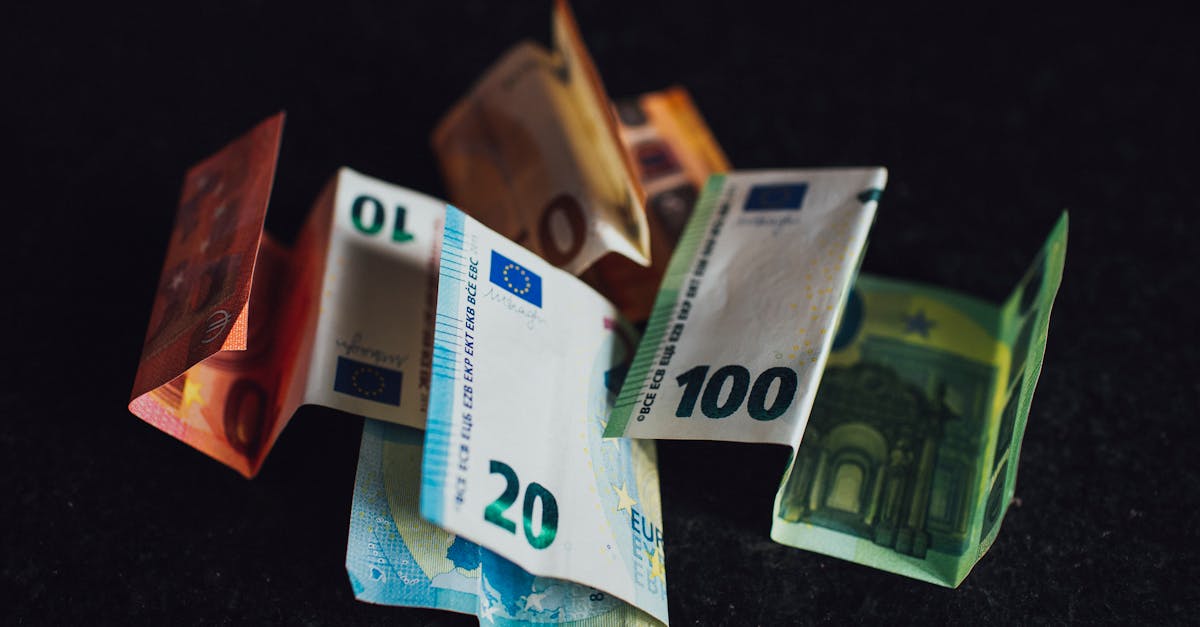
Photo by Markus Spiske
Tokyo is one of the world’s most exciting cities, but it also has a reputation for being incredibly expensive. Many travelers worry that finding great accommodation will drain their budget before they even buy their first bowl of ramen.
The truth is, you absolutely can find clean, safe, and conveniently located hotels without breaking the bank. The secret lies in skipping the major luxury brands and focusing on Japan’s incredibly efficient network of business hotel chains and high-value options.
This list explores 10 types of Tokyo hotels that save you cash, ensuring you focus your travel funds on experiences, not just sleeping quarters. We will help you master smart budgeting and find excellent value for money on your next trip.
1. Toyoko Inn: Japan’s Reliable Budget Champion

Toyoko Inn is often the first name that comes up when discussing affordable accommodation in Japan. Why? Because they offer unparalleled consistency and focus intensely on efficiency, which translates directly into lower nightly rates for travelers.
You will find dozens of Toyoko Inn locations scattered across Tokyo, typically within a short walk of a major JR station or Tokyo Metro access point. They are the definition of a practical stay.
The Toyoko Inn Savings Model
- Consistent Pricing: Rates remain highly stable, even during peak seasons, compared to many boutique hotels.
- Complimentary Wi-Fi: Free, fast internet access is standard in all rooms, saving you the cost of purchasing local data plans.
- Free Breakfast Deals: Almost every location offers a simple, yet satisfying free breakfast (usually rice balls, miso soup, and toast) included in the room price. This is a massive win for minimizing costs.
- Membership Perks: If you sign up for their free membership, you often receive a further 5% discount and early check-in privileges, maximizing your convenience and savings.
If your goal is a clean bed, a functional private bathroom, and a great location, Toyoko Inn is a must for frugal travel in Tokyo.
2. APA Hotel: Central Locations Without the Premium Price Tag

APA Hotel is another powerhouse among Japanese hotel chains, providing vast numbers of rooms throughout Tokyo, often closer to prime areas like Shinjuku and Ginza than their competitors. While rooms are famously small—a standard feature of many Japanese lodging options—they are functional and impeccably clean, meeting high cleanliness standards.
APA excels at providing convenient locations. This saves you cash indirectly by cutting down on expensive taxi rides or time wasted commuting. When booking, keep an eye out for their promotional rates.
Booking APA Smartly
APA often runs aggressive online campaigns. Travelers who are flexible with their dates can find significantly discounted pricing, sometimes dropping the room rate by 20–30%. Always book directly on their website or comparison sites for the best deals.
What APA Provides for the Budget Traveler:
The standard APA room includes amenities that make your stay smoother and more cost-effective. They understand the value of Japanese efficiency. Look for locations near major hubs like Shinagawa or Ikebukuro for excellent transport links and cheaper rates than central Shibuya.
3. Experience the Savings of Capsule Hotels

For the ultimate in economy rooms, the capsule hotel remains a quintessential Tokyo experience. While not suited for every traveler, they are incredibly effective for maximizing your yen, especially for solo travelers or short, one or two-night stays.
Modern capsule hotels have evolved far past the cramped, dated pods of the 1980s. Many now feature sleek designs, excellent security, and shared facilities that resemble high-end spas, including large public baths (onsen/sento).
Key Advantages of Capsule Pods
You pay solely for your sleeping space. This dramatically reduces the nightly rates, often putting the cost well under ¥5,000 ($35 USD). This is the definition of true budget-friendly hotels.
- Safety and Security: Modern capsules often have lockers for luggage storage and require key card access to the floor.
- Amenities Included: High-quality sleepwear, toiletries, and towels are typically provided complimentary.
- Location Efficiency: Many are situated right next to or even inside major transportation hubs, offering superb Tokyo Metro access.
4. Centurion Hotel Group: Stylish Savings

The Centurion Hotel Group strikes a wonderful balance between style, location, and price. They often feel more like a mid-range boutique hotel than a standard budget option, yet their pricing remains accessible, particularly in less central, but still very accessible, neighborhoods.
Centurion focuses on providing a pleasant atmosphere without the luxury price tag. Their rooms are generally a bit larger than APA or Toyoko Inn, offering slightly more comfort for those on a strict tourist budget but needing space.
Why Centurion Offers Value
Many Centurion locations, such as those in Akasaka or Ueno, provide excellent proximity to entertainment and dining options without charging the central Shinjuku premium. They are proof that affordable accommodation does not have to mean sacrificing aesthetic appeal.
5. Exploring Hostels and Guesthouses

While Japan has fewer traditional backpacker hostels than Southeast Asia or Europe, the ones that exist are typically immaculate and highly functional. Hostels offer private rooms or single beds in dormitories, providing significant options for minimizing costs.
For travelers interested in long-term stays or who enjoy meeting people, hostels and guest houses provide communal areas and shared kitchens. Being able to cook just a few meals per week instead of eating out for every meal provides massive savings for the frugal traveler.
Guesthouse vs. Hostel
Guesthouses often resemble shared apartments, where you rent a private room but share facilities like laundry and kitchen space with other residents. These are highly popular for those visiting Tokyo for periods exceeding two weeks.
6. Budget Stays in Ueno and Asakusa Districts

Location matters immensely when discussing hotel costs. Prime areas like Shibuya Crossing, Shinjuku Station, and Ginza command premium prices. Smart travelers seeking discounted pricing know to look slightly outside the core business hubs.
The Ueno District and Asakusa area offer fantastic alternatives. These neighborhoods are rich in culture (Ueno Park, museums, Sensoji Temple) and are incredibly well-connected by train and metro, yet their average nightly rates are noticeably lower.
The Benefits of Booking East Tokyo
- Lower Overhead: Real estate costs are generally lower, allowing hotels to pass savings to the customer.
- Transport Hubs: Ueno station is a major nexus, connecting regional Shinkansen lines and numerous JR and Metro lines, offering superior public transit access.
- Cheaper Food: The concentration of smaller, local restaurants means you can eat cheaply and authentically compared to the major tourist traps. This contributes heavily to smart budgeting.
7. Choosing Hotels Near Major JR Stations

When selecting your budget-friendly hotels, prioritize proximity to major train stations—but not necessarily the most famous ones. Staying within a 5-minute walk of a major JR lines station, even one slightly outside the center (like Nippori, Oimachi, or Shin-Kiba), reduces your travel time and expenditure.
Time is money, especially in Tokyo. If you are far from transit, you will spend more on taxis or potentially use longer, more complex transit routes. Hotels built specifically for travelers utilizing the extensive Japanese rail network are designed for convenient location and efficiency.
Look for “Station Direct” Access
Hotels that are physically connected to a station or part of a station complex minimize walking and exposure to the weather, making your daily routine easier and your trip more efficient. This focus on maximizing convenience often correlates with high Japanese efficiency standards.
8. Utilizing Business Hotel Efficiency

Understanding the concept of the Japanese business hotel is key to unlocking affordable accommodation. These are not luxury destinations; they are optimized sleeping solutions designed for working professionals who need a clean, quick, and cost-effective stay. They offer the best value for money.
What Defines a Business Hotel?
The business hotel model operates on minimal staffing and small, perfectly appointed rooms. You might not have massive closets or sprawling views, but you will have a spotless room, a high-tech toilet, and reliable complimentary Wi-Fi.
- Self Check-In/Out: Reduces staffing costs, lowering rates.
- High-Tech Amenities: Features like humidifiers and air purifiers are common, improving guest comfort without increasing room size or price.
- No Frills: They skip costly services like bellhops or high-end room service, keeping your nightly rates low.
Chains like Route-Inn or Dormy Inn (known for having public baths) offer fantastic alternatives to the more expensive international brands while still maintaining exceptional cleanliness standards.
9. Look for Free Amenities: Laundry and Breakfast

When comparing hotel prices, look beyond the base discounted pricing and factor in the hidden savings provided by amenities. Certain features can shave significant amounts off your daily budget, contributing substantially to smart budgeting.
Cost-Saving Amenities to Prioritize:
- Free Breakfast: Even a simple rice ball and coffee saves you ¥500–¥1,500 per person daily. This is the simplest way to execute travel hacks.
- Self-Service Laundry Facilities: Access to a coin laundromat access on-site prevents the need for expensive hotel laundry services or searching for external washrooms. This is crucial for long-term stays.
- Complimentary Wi-Fi: Essential for planning and communication. Always verify it is truly free and high-speed.
- Complimentary Drinks: Some hotels offer free coffee or tea 24/7 in the lobby.
These ‘free’ additions significantly contribute to maximizing your yen throughout your entire Tokyo trip.
10. Leveraging Long-Term Stay Discounts
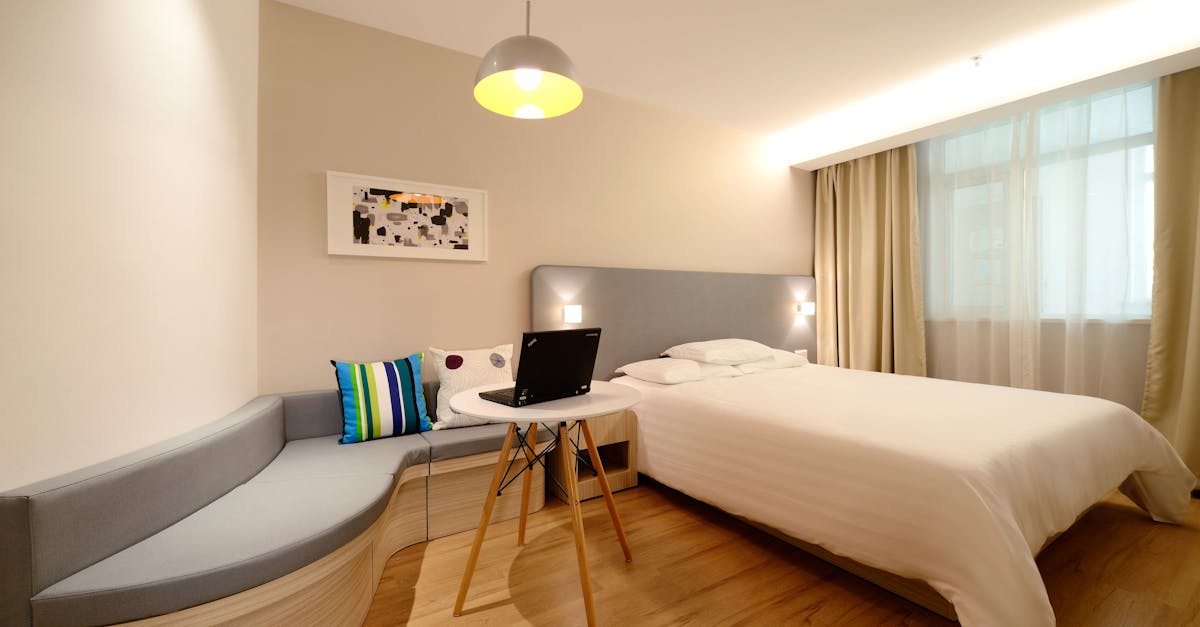
If you plan on spending a week or more in Tokyo, you should never book standard daily rates. Many budget-friendly hotels and Japanese lodging options, particularly guesthouses and certain business hotel chains, offer deep discounts for extended stays.
Always inquire about weekly or monthly rates. These packages are specifically designed for the type of sustainable travel where visitors want to live like a local and avoid constantly checking in and out. This strategy is essential for achieving deep savings and minimizing costs.
Booking Extended Stay Packages
Look for hotels near secondary hubs like Kinshicho or Kawasaki (slightly outside central Tokyo but still on the major JR lines). These areas often have hotels catering to short-term business expats and offer very competitive rates for extended periods, making frugal travel manageable even in an expensive city.
By choosing one of these 10 options, you shift your focus from luxury accommodations to smart, efficient affordable accommodation. Remember, in Tokyo, the real value is outside your hotel room. By prioritizing value for money on your sleep, you free up your cash to enjoy the incredible food, culture, and experiences that only Tokyo can offer.