Top 10 Budget Tokyo Stays: Save Big Money Now

Photo by Viridiana Rivera
Top 10 Ways to Find the Best Tokyo Cheap Stays and Save Money
Tokyo is one of the world’s most exciting cities, offering incredible food, history, and modernity. However, it is notorious for its high cost of living, especially when it comes to accommodation. If you dream of visiting Japan’s capital but worry about your travel budget, fret not! Finding truly **budget-friendly accommodations** in Tokyo is absolutely possible if you know where to look and when to book.
This comprehensive guide dives deep into the **best Tokyo cheap stays**, offering expert tips and actionable strategies for the savvy traveler. We will show you how to maximize savings without sacrificing safety or convenience. Get ready to unlock **frugal travel** success in Japan!
1. Embrace the Capsule Hotel Phenomenon

Capsule hotels are perhaps the most iconic symbol of **low-cost options** in Japan. They offer private sleeping quarters—a sealed pod—within a shared facility. While this might sound minimal, modern capsules are incredibly clean, feature climate control, and often include a TV and charging points.
H3: Why Capsules Offer the Best Value
- Price Point: Often the cheapest option, especially for solo travelers. Prices typically range from 3,000 to 5,000 JPY per night, offering major relief to your travel expenses.
- Prime Location: Many capsule hotels are located directly next to major transit hubs like Shinjuku or Shibuya, saving you on **transportation costs**.
- Security and Amenities: You usually get a locker for your valuables and access to shared, impeccably maintained shower facilities. Look for places offering free WiFi and complimentary toiletries.
Expert Tip: Always check if the capsule hotel offers separate floors for men and women (most modern ones do, but it is always good to confirm). The key to enjoying a capsule is organization and accepting the lack of full standing room.
2. Stay in Affordable Hostels and Guesthouses
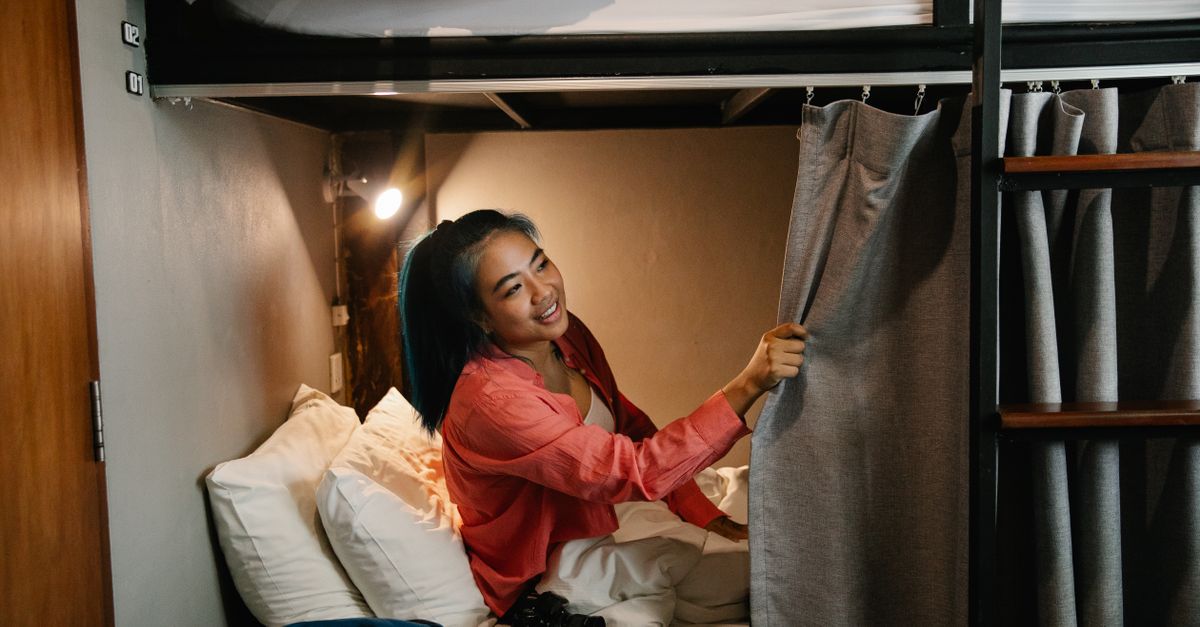
If the tight confines of a capsule hotel aren’t for you, **youth hostels** and international guesthouses provide a fantastic alternative. These accommodations blend affordability with a sense of community. While sharing a shared dorms room is the cheapest route, many hostels now offer great deals on **private rooms**, particularly if you are booking for two or three people.
H3: Choosing the Right Hostels
Focus on places known for their high standards of hygiene and comfort. Reading recent reviews about cleanliness and staff helpfulness is essential for a **comfortable stay**.
H4: Features That Drive Value
When selecting a hostel to secure **best Tokyo cheap stays**, look for specific amenities that reduce your daily spending:
- Communal Kitchens: Being able to prepare a few simple meals (especially breakfast) dramatically lowers your **cost of living** in Tokyo.
- Free Breakfast: Even if it’s just toast and coffee, this saves you 500-1,000 JPY daily.
- Free Luggage Storage: If you arrive early or leave late, storing your bags for free is a huge convenience and **money-saving tip**.
Many hostels are centered around areas like Asakusa and Ueno, which have slightly lower accommodation prices compared to central Tokyo business districts.
3. Target Affordable Business Hotels

The term ‘business hotel’ might sound corporate, but these chains—like Toyoko Inn, APA Hotel, and Dormy Inn—are the backbone of mid-range, yet still **budget-friendly**, Japanese accommodation. They specialize in small, efficient, functional rooms designed for maximum utility. They are usually incredibly reliable regarding safety and service.
These hotels offer a great balance between the privacy of a regular hotel and the value of a budget option. If you are traveling as a pair, booking one of these rooms can sometimes be comparable in price per person to two separate hostel beds, offering vastly superior privacy.
H3: Booking Strategies for Business Hotels
- Membership Programs: Many chains offer free or low-cost membership cards that immediately provide a 5–10% discount on standard rates, making your **short-term stays** much cheaper.
- Late Check-In Plans: Some hotels offer discounted rates (known as ‘plan discounts’) if you agree to check in after 10 PM. This is perfect for late arrivals.
The predictability and guaranteed **clean facilities** of an affordable business hotel chain make them a favorite choice for travelers prioritizing reliability.
4. Explore Net Cafés and Manga Cafés for Overnights

For the truly extreme **budget traveler**, or someone who just missed the last train, Tokyo’s sophisticated network of internet and manga cafés (called manga kissa or net cafes) can serve as a legitimate, though unconventional, overnight stay option. They are one of the most unique **Tokyo cheap stays** available.
These establishments charge by the hour, but most offer cheap overnight packages (usually 8–12 hours) that include a private, lockable booth, fast Wi-Fi, and often unlimited free soft drinks and access to comics/manga.
H3: Practical Tips for Net Café Stays
While not a traditional hotel, these places offer basic **safety and security** and comfort:
- Find a Flat Mat Booth: Opt for locations that offer a ‘flat seat’ or reclining chair rather than just a desk chair for better rest.
- Utilize Shower Services: Many large net cafés (especially near major stations) offer showers for a small extra fee (usually 300–500 JPY).
- Light Travel Only: These spaces are not suitable for large luggage. Use train station lockers for large bags if you plan on using a net cafe.
This is a fantastic **travel hack** if you need a very short, very cheap place to crash before moving on to your main accommodation.
5. Prioritize Cheaper Neighborhoods (Location Matters)

Where you stay affects your price tag more than almost any other factor. While Shinjuku, Shibuya, and Ginza offer high convenience, their prices reflect their status as **central Tokyo** hubs. To find genuinely **low-cost options**, you need to look slightly outside the main tourist centers.
H3: Best Neighborhoods for Budget Stays
Focusing your search on the Eastern side of the city, or areas slightly further out along the major train lines, yields huge savings:
- Taito City (Asakusa/Ueno): Home to many traditional guesthouses and youth hostels. Asakusa offers a quieter, more historical vibe and easier access to Narita Airport.
- Ikebukuro: A major transit hub with a lot of affordable business hotel options. It is less tourist-saturated than Shinjuku but offers incredible connectivity via the JR lines.
- Shinagawa/Ota Ward: Often overlooked, these areas offer excellent access to both Haneda Airport and major parts of central Tokyo without the exorbitant prices of neighboring districts.
Remember, Tokyo’s public transportation is excellent. If you are near a major JR station or Metro stop, commuting 20 minutes from a cheaper area is often worth the hundreds of dollars you save on accommodation.
6. Master the Art of Advanced Booking

Procrastination costs money, especially in a high-demand market like Tokyo. Accommodation prices operate under strict **dynamic pricing** models. The closer you get to your travel date, the higher the prices climb, particularly during **peak season** like cherry blossom viewing (April) or Golden Week (May).
H3: Booking Timeline for Maximum Savings
To lock in the **best Tokyo cheap stays**, follow this timeline:
- 4–6 Months Out: This is when you should begin monitoring prices and planning your itinerary.
- 3 Months Out: If you are traveling during high season, secure your accommodation now. Many popular hostels and affordable business hotels fill up completely, leaving only expensive options remaining.
- Shoulder Season Advantage: If you can travel during **shoulder season** (late May/early June or September/early October), you will find substantial discounts compared to peak summer or spring.
Always compare rates across multiple booking platforms and, crucially, check the hotel’s official website. Sometimes the best deals are offered directly by the property.
7. Consider Short-Term Rentals (Airbnb Alternatives)

While Japan has strict laws regarding short-term rentals, platforms like Airbnb can still offer value, especially for groups or those needing **long-term rental** flexibility. Renting an entire apartment often provides access to cooking facilities and laundry, which greatly aids in finding the **best Tokyo cheap stays** by cutting down daily expenses.
However, be highly selective. Only book properties with numerous high ratings and ensure the host is transparent about their licenses. Many travelers find that outside of the absolute center, securing a small apartment for a week or more offers better cost efficiency than paying for multiple small hotel rooms.
H3: Evaluating Rental Costs
When reviewing a short-term stay, always calculate the total cost, including cleaning fees and service charges, before comparing it to a traditional hotel price.
- Group Savings: Splitting the cost of a two-bedroom apartment among four people usually results in the lowest per-person nightly rate.
- Extended Stays: Some hosts offer significant discounts (10–20%) for stays exceeding seven days, making these places excellent **budget-friendly** options.
8. Look for Ryokan Alternatives and Minshuku

A traditional Japanese inn (Ryokan) is usually expensive. However, a Minshuku is the budget-friendly sibling of the Ryokan. Minshuku are often family-run, simple guesthouses that provide basic accommodation and a genuine **cultural experience**.
These are excellent **ryokan alternatives** if you want to experience traditional tatami mats and futon sleeping without the high price tag and formal service. They often focus on providing locally sourced meals, which, while an additional cost, can save you the hassle of finding dinner outside.
While Minshuku are less common in the dense centers of Tokyo, you can often find them in the quieter suburban districts or on the outskirts, providing excellent value for money and a quiet, authentic base.
9. Scrutinize Hidden Fees and Amenities

The advertised price is not always the final price. To successfully **save money**, you must be vigilant about potential hidden fees that can inflate your **expenses**. Always check the fine print when booking.
H3: Key Costs to Confirm Before Booking
Ask these questions to ensure you are getting the **best Tokyo cheap stays**:
- Consumption Tax: Is the advertised price inclusive of all Japanese consumption tax (usually 10%)?
- City Tax: Tokyo sometimes imposes a small accommodation tax (usually 100–300 JPY per person per night) on stays above a certain price threshold. Confirm if this is included or added upon check-out.
- Internet Access: While most places offer free WiFi, confirm this is the case, especially in older or smaller facilities.
- Laundry: If you plan a long trip, access to cheap self-service laundry is vital. If the hotel charges exorbitant rates, it will erode your savings.
Prioritizing places that offer key free amenities like reliable **free WiFi** and cheap laundry services is a fundamental strategy for **money-saving tips**.
10. Leverage Travel Passes and Package Deals

While strictly not accommodation, your choice of travel pass can indirectly reduce the stress on your accommodation budget by minimizing travel costs and maximizing convenience. If you are focused on **best Tokyo cheap stays**, you need to ensure your savings aren’t wiped out by transit fares.
H3: Travel Pass Impact on Accommodation Strategy
If you purchase an unlimited subway or **JR lines** pass, you can afford to stay further away from the most expensive, centralized hubs.
- Metro Passes: If your accommodation is only near the Tokyo Metro, a 72-hour pass can be a massive saver. This allows you to stay in cheaper areas like Taito or Sumida wards without worrying about the daily fare costs of reaching Shibuya or Ginza.
- Convenient Location: If your cheap stay is 30 minutes outside of the center, ensuring you have a pass makes that commute negligible, optimizing your overall travel budget.
Always calculate whether paying slightly more for a **convenient location** (right next to a major station) saves you time and transit money, making it a better overall value, even if the nightly rate is slightly higher.
Finding Your Affordable Tokyo Experience
Tokyo is massive, but finding **best Tokyo cheap stays** is absolutely achievable with careful planning and smart choices. Whether you opt for the futuristic novelty of a capsule hotel, the community feel of a youth hostel, or the solid reliability of an affordable business hotel chain, countless **budget-friendly** options await.
Focus on **advanced booking**, target slightly decentralized neighborhoods, and keep an eye on those hidden fees. By adopting these **travel hacks**, you can enjoy the magic of Japan’s capital without bankrupting your vacation fund. Happy and **frugal travel**!